Key Takeaways
Blanket licking is a common behavior, but persistent licking can signal an underlying health issue.
The most common underlying reasons are:
upset stomach / nausea / reflux
stressful situations / separation anxiety
Watch the pattern: track the when, not just the how much.
Support dog behavior with:
mental stimulation
interactive toys
regular exercise
short training sessions using positive reinforcement
Seek professional advice if red flags appear or if you suspect a medical problem or compulsive disorder.
If you’re noticing persistent licking and want a structured way to bring better data to your next vet visit, you can download my free tracking guide here. Your future self (and your vet) will thank you for tracking early.
In This Article
Why Does My Dog Lick the Blanket? A Vet Explains
Blanket licking is most often self-soothing, but when it becomes frequent, intense, or paired with other symptoms, it can signal an underlying medical problem (skin, GI, pain) or a behavioral condition (anxiety/compulsion).
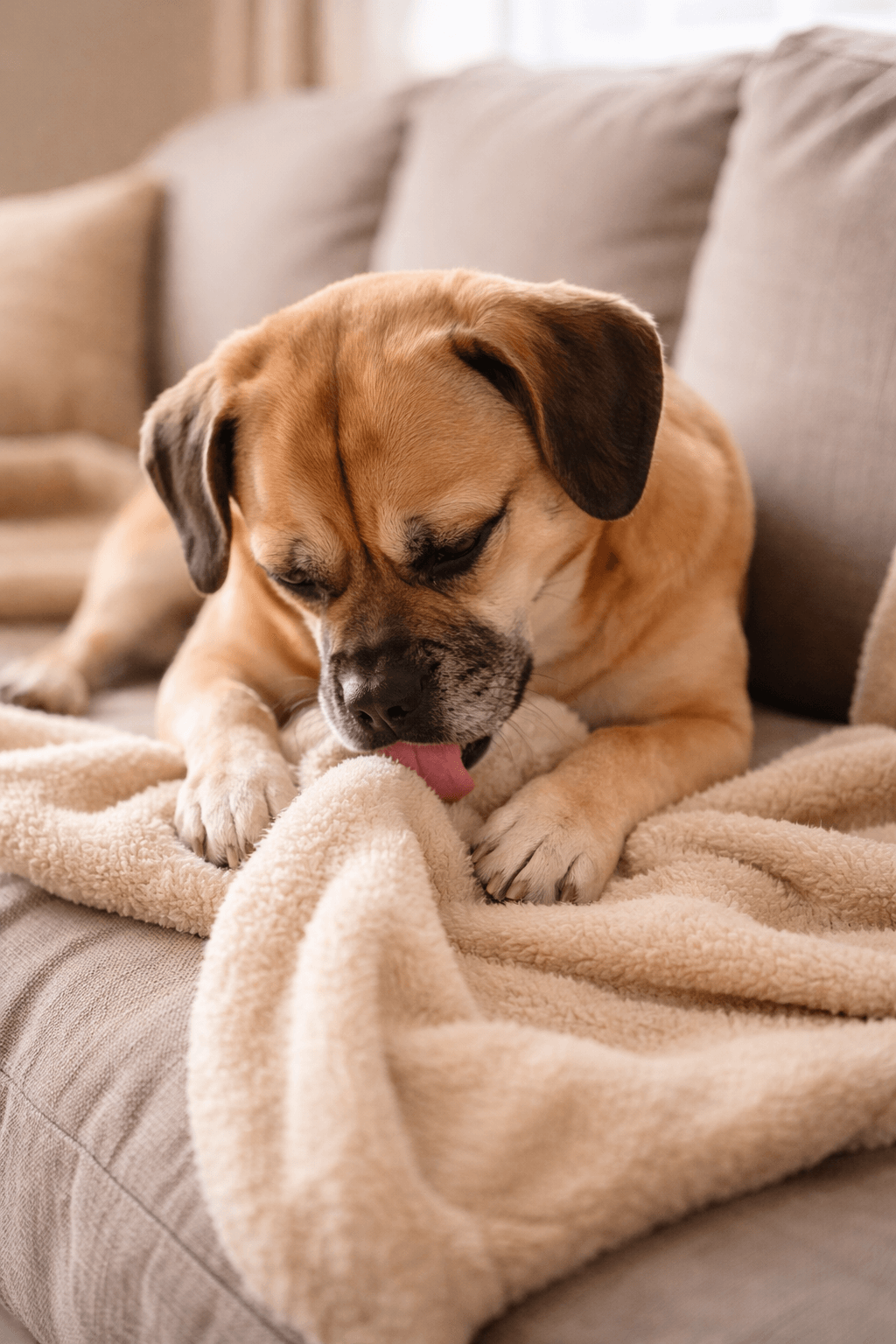
You’ve probably seen it: your dog hops onto the couch after a walk, grabs their favorite blanket, and starts rhythmically licking like they’re trying to “erase” the fabric. For many pet owners, blanket licking feels like a quirky habit… until it becomes persistent licking that’s hard to interrupt.
Here’s the truth: dog blanket licking can be a common behavior (comfort and habit), or it can be your dog’s way of saying “something feels off.” Sometimes it’s separation anxiety or a response to stressful situations. Sometimes it’s a medical issue like upset stomach, nausea, reflux, allergies, pain, or itchy skin. And sometimes it’s a mix with an underlying health issue creating discomfort and then the excessive licking becomes a learned coping loop.
As a veterinarian, I like to think of blanket licking as a clue. Your dog’s licking behavior has patterns and pattern recognition can help you figure out whether this is an occasional licking moment or a sign of an underlying problem.
First: Is Blanket Licking Normal Dog Behavior?
Sometimes, yes.
Dogs explore with their mouths. Licking a soft object (like fleece or a comforter) can be:
a calming ritual before sleep
a way to settle after excitement
a scent-based comfort behavior (your smell is in the fabric)
a boredom habit when they need more mental stimulation and physical stimulation
There’s also a “wild ancestors” component: repetitive oral behaviors can be self-regulating and soothing. That doesn’t mean it’s “natural” to do it for an hour straight, but it helps explain why the behavior exists. Dogs may lick blankets, couches, or other soft objects as part of normal exploratory or comfort behavior. The AKC notes that repetitive furniture licking can range from boredom to anxiety-related coping behaviors.
Normal-ish = brief + easy to interrupt + no other symptoms.
Concerning = intense, hard to stop, escalating, or paired with other changes.
Does the Type of Blanket Matter?
Sometimes, yes. Dogs may prefer certain blanket textures because of the way they feel, smell, or hold residue.
Fleece Blankets
Fleece is one of the most commonly licked blanket textures. It is soft, warm, and slightly “grabby,” which can mimic the comforting sensation of grooming or licking fur. For some dogs, fleece becomes part of a calming bedtime ritual.
Wool Blankets
Wool can bother some sensitive dogs. It may feel scratchier than other fabrics, and in dogs prone to skin irritation or contact reactions, wool may worsen itchiness around the face, lips, or paws if they rub or lick it often.
Microfiber Blankets
Microfiber can trap detergent, fabric softener, body oils, food smells, and other residues. Some dogs may be attracted to those scents, while others may react to leftover detergent or fragrance on the fabric.
Washed vs. Unwashed Blankets
If your dog only licks your blanket and not their own, your scent may be the biggest draw. Blankets that smell like their favorite person can feel comforting, especially for dogs who lick when they are sleepy, anxious, or settling down.
When Fabric May Be the Problem
Consider the blanket itself if licking started after switching detergents, using scent beads, adding fabric softener, changing blankets, or washing bedding with a new product. For sensitive dogs, try washing blankets with a fragrance-free detergent, skipping fabric softener, and fully drying the blanket before use.
Common Myths vs Reality
Myth 1: “It’s always anxiety.”
Reality: Dog anxiety blanket licking is real, but it’s not the only explanation. Many adult dogs lick when they’re relaxed. Anxiety is one of many possible underlying reasons.
Myth 2: “All licking looks the same.”
Reality: Your dog’s licking pattern matters:
Slow, rhythmic licking before sleep = often comfort
Frantic, obsessive licking of one spot = discomfort, nausea, itch, or compulsion
Licking that happens after meals = GI discomfort is higher on the list
Licking that spikes after walks = allergies/contact irritation move up
Myth 3: “If they aren’t hurting themselves, it’s harmless.”
Reality: Even gentle licking can be an early sign of an underlying health issue. It can also turn into a harder-to-break habit over time.
The 3 Big Buckets: Medical, Behavioral, Learned Habit
Most cases fit into one (or overlap).
1) Medical problems (body-based discomfort)
This is where I start, because if we miss a medical trigger and treat it as “just behavioral,” we frustrate everyone, especially your furry friend.
2) Behavioral issues (brain-based stress/compulsion)
This includes anxiety, fear responses, and compulsive patterns.
3) Learned habit (reinforced loop)
If licking “works” (it calms them, gets attention, or becomes routine), it can stick even after the trigger is gone.
Medical Causes: When Blanket Licking Is a Clue
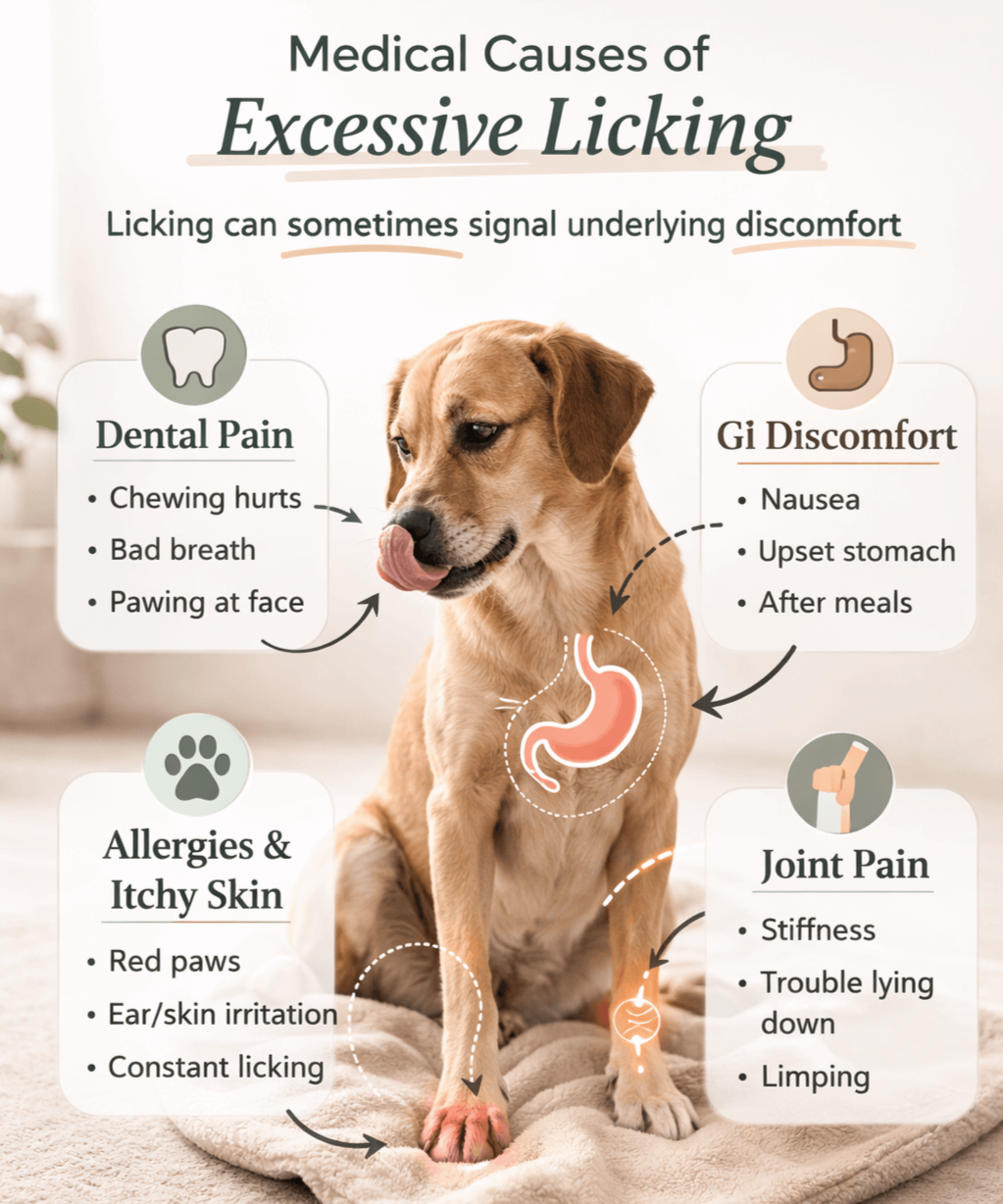
A) Upset stomach, nausea, reflux (very common)
This one surprises dog owners. Repetitive surface licking has been documented as a behavioral indicator of nausea in dogs, with improvement seen after anti-nausea treatment.
When dogs feel queasy, they may:
lick blankets, carpet, floors, or couch cushions
swallow repeatedly
lip smack
drool more than usual
eat grass
seem restless at night
Why it happens: licking increases saliva, and saliva can temporarily soothe throat/stomach irritation. If your dog’s blanket licking happens:
late at night
early morning
right after meals
…GI discomfort becomes a top suspect.
Ask yourself:
Is licking worse after certain foods/treats?
Does it cluster around meal times?
Any soft stool, gurgly belly, gas, or decreased appetite?
This is one of the most common “hidden” medical reasons behind persistent licking.
B) Allergies + skin irritation (even if your dog isn’t “itchy”)
Seasonal allergens can be intense and caused by a variety of things - pollen, mold, dust, grasses. Early allergy flare-ups don’t always look like dramatic scratching. Sometimes the first sign is subtle:
face rubbing
licking “anything soft” to self-soothe
Dogs can also redirect. If the itchy area is ears or belly and they can’t reach it easily in the moment, they may lick the blanket instead.
Clues allergy/skin is involved:
licking spikes after outdoor time
you also see paw chewing, ear scratching, or redness
recurrent ear infections
odor or greasy skin
hair loss or thinning over time
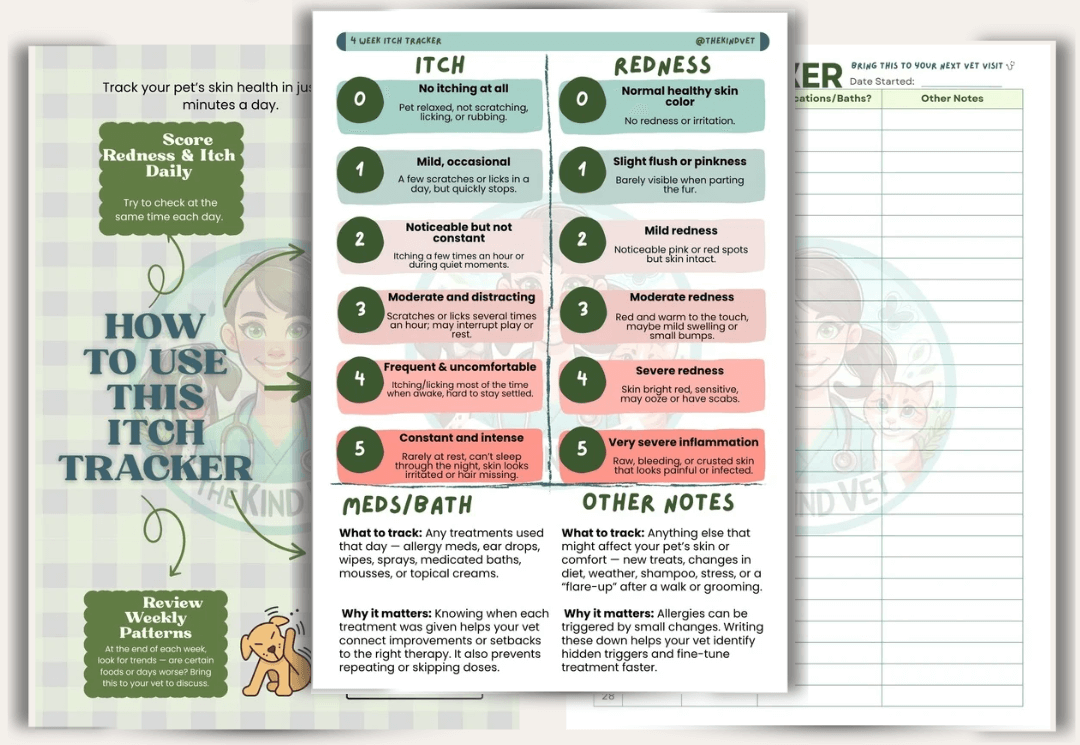
Want Help Tracking the Pattern?
If you're trying to figure out whether your dog's licking behavior is linked to allergies, GI discomfort, or anxiety, structured tracking makes it much easier to spot patterns.
👉 Download my free Itch & Behavior Tracker here.
Want an even easier way to track? Try the free Hotspotter Pet Allergy Tracker App, made by veterinary professionals.
C) Pain (dental pain, orthopedic discomfort, or internal pain)
Pain can drive repetitive soothing behaviors.
Dental pain is a sneaky one:
your dog may lick soft fabric because chewing hurts
they may prefer soft foods
they may drop kibble or chew on one side
If your dog will tolerate it, gently look for heavy tartar buildup, red or bleeding gums, or fractured teeth. Even better, ask your veterinarian to perform a thorough oral exam. (Some dogs require sedation for a complete evaluation and that’s completely normal.)
Orthopedic discomfort can also show up as “settling rituals” that become repetitive, especially in an older dog.
Clues pain may be present:
stiffness, slower rising
avoiding stairs/jumping
change in chewing habits
pawing at the mouth
guarding the blanket or acting irritated when interrupted
D) Neurologic or metabolic medical conditions (less common, but important)
Less commonly, repetitive licking can be linked with:
cognitive dysfunction in senior dogs
neurologic disease
endocrine issues
This is why I take sudden-onset obsessive licking seriously, especially if it’s paired with other new changes.
Puppy vs. Adult Dog Blanket Licking
Puppies
Puppies often lick blankets for comfort, exploration, teething, or self-soothing. They use their mouths to learn about the world, and soft blankets can feel comforting when they are tired, overstimulated, or adjusting to a new home.
Puppy blanket licking is more likely to be normal if it is brief, easy to interrupt, and not paired with vomiting, diarrhea, poor appetite, coughing, gagging, or failure to thrive.
Adult Dogs
In adult dogs, blanket licking is more likely to be a learned habit, stress response, nausea/reflux clue, allergy-related soothing behavior, pain response, or compulsive pattern.
A new blanket-licking habit in an adult or senior dog deserves more attention than a puppy who occasionally mouths a blanket before bed. Sudden changes in behavior are always worth tracking, especially if the licking becomes intense, repetitive, or hard to interrupt.
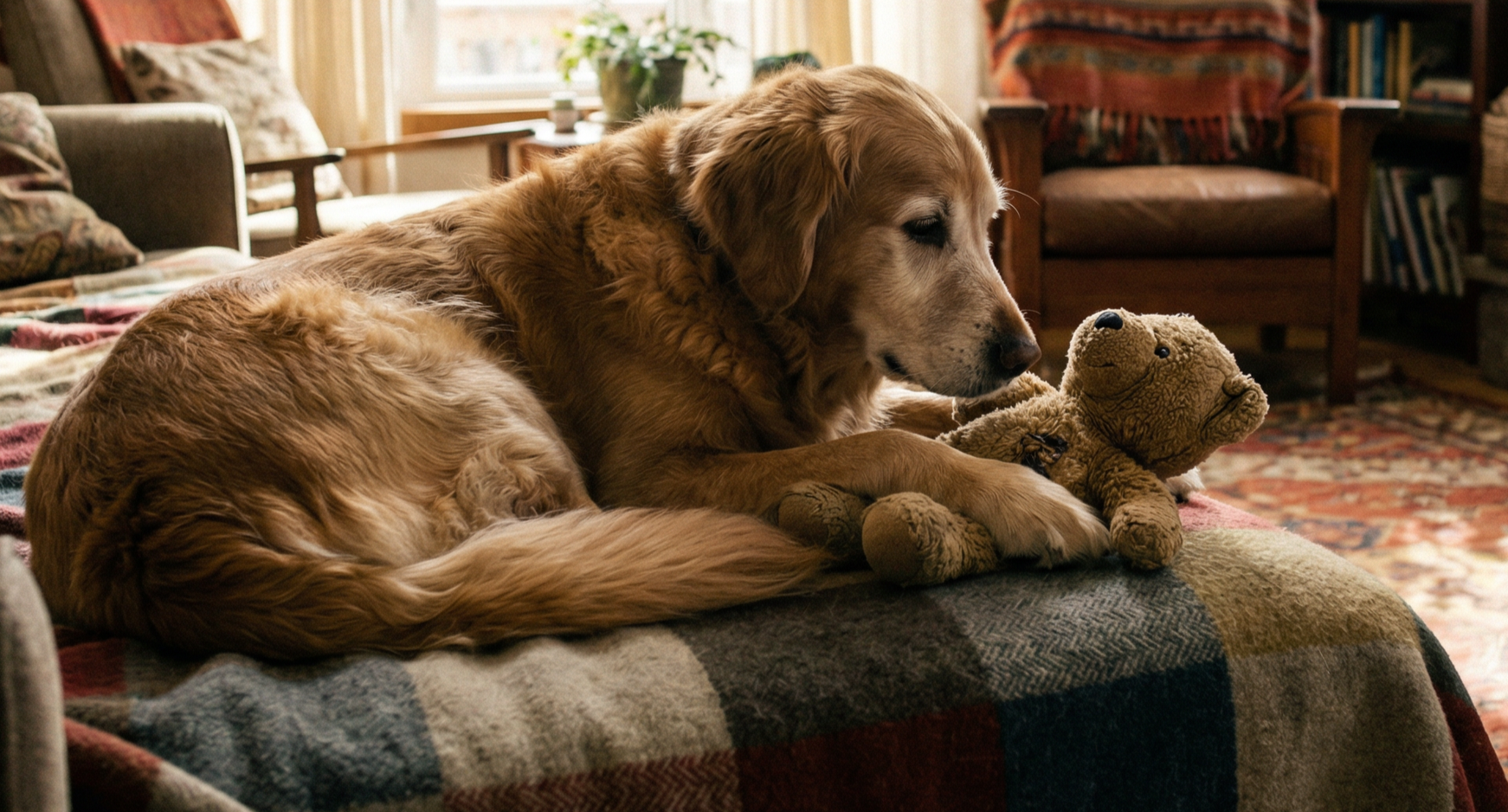
Behavioral Causes: When Stress or Compulsion Drives Licking
A) Separation anxiety + stressful situations
Dogs may lick blankets most when:
you leave
routines change
storms roll through
there are loud noises
they’re overstimulated after company or daycare
It’s a self-soothing behavior that helps them regulate. Many dogs choose a blanket because it smells like their people.
Clues separation anxiety is involved:
licking starts when you pick up keys/shoes
licking is paired with pacing, whining, scanning windows
destructive behavior (chewing doors, crates, baseboards)
accidents when alone
B) Boredom / under-stimulated brain
A lot of “weird habits” are simply a dog asking for:
more mental stimulation
more regular exercise
more appropriate chew outlets
If your dog has high drive or working-breed tendencies (think our herding breeds like Border Collie), they often need both:
physical stimulation
and a job for their brain
C) Obsessive-compulsive disorder (OCD) / compulsive licking
True canine compulsive disorders exist. You’ll usually see:
obsessive licking that’s hard to interrupt
fixation on one spot for long periods
behavior persists even when dog is tired
dog seems “trance-like”
This isn’t “bad behavior.” It’s a medical/behavioral disorder that benefits from professional help, sometimes including medication, behavior plans, and environmental change. When blanket licking becomes persistent, difficult to interrupt, and appears trance-like, it may fall into the spectrum of abnormal repetitive behaviors described in veterinary behavioral medicine (Merck Veterinary Manual).
Pattern Recognition: The 7-Day “Licking Log”
If you do one thing after reading this article, do this.
For 7 days, jot down:
Time of day
Duration (30 seconds vs 20 minutes matters)
What happened in the hour before (meal, walk, visitors, alone time)
Your dog’s mood/body language
Any other symptoms (paw licking, ear scratching, burping, grass eating)
Want Help Tracking the Pattern?
If you're trying to figure out whether your dog's licking behavior is linked to allergies, GI discomfort, or anxiety, structured tracking makes it much easier to spot patterns.
What the patterns often mean
After meals: GI upset/reflux, food sensitivity
Early morning / late night: reflux, nausea, discomfort
After walks: environmental allergies/contact irritation
When alone: separation anxiety
During storms / loud noises: stress response
Always the same blanket corner: scent/comfort + habit loop
Multiple fabrics everywhere: broader anxiety or medical discomfort
This is how pet owners turn “my dog is doing a weird thing” into actionable information. There are many common reasons dogs lick surfaces, ranging from boredom to medical issues, as general pet education resources often outline. It is important to give this information to your vet to form the best plan of action to help when needed.
What to Do: Practical Solutions That Match the Cause
Step 1: Rule out simple environmental triggers
Try these preventative measures for 10–14 days:
Switch to fragrance-free detergent (no scent beads, no dryer sheets)
Wash blankets/bedding weekly on hot (helps allergens like dust mites)
If licking spikes after lawn care, avoid treated grass and wipe paws after walks
Offer a designated “safe blanket” and remove high-value targets temporarily
If your dog tends to lick blankets during seasonal changes, my 28-Day Skin & Itch Reset walks you through exactly how to track flare patterns, clean bedding properly, and support the skin barrier early.
👉 Grab the free reset guide here.
Step 2: Give the mouth a better job (replacement behaviors)
If your dog seeks oral soothing, provide safe alternatives:
Lick mats (use a thin smear so it’s not a calorie bomb)
Frozen Kongs
Long-lasting chews appropriate to your dog
Snuffle mats
Interactive toys that dispense food
This addresses boredom and helps break the “blanket = coping tool” loop.
Step 3: Build the right kind of daily enrichment
A balanced plan includes:
Regular exercise that fits your dog’s age/body
Mental stimulation (short training games, sniff walks, puzzle feeders)
brief training sessions using positive reinforcement
A great goal for many adult dogs:
10–20 minutes of sniffing/foraging work daily
5–10 minutes of training games
appropriate physical activity
This reduces stress chemistry and gives dog behavior a healthier outlet.
Step 4: If anxiety is the driver, treat anxiety (not the blanket)
Helpful options:
predictable routines
gradual alone-time practice (tiny, successful departures)
calming enrichment during triggers
consulting a trainer or veterinarian who understands anxiety
For severe cases, talk to your vet. Anxiety treatment can be life-changing and it’s not a failure; it’s proactive care.
Step 5: If GI discomfort is likely, don’t ignore it
Talk to your veterinarian about patterns that suggest nausea/reflux:
timing around meals
lip smacking
restlessness at night
appetite changes
Sometimes simple diet changes help; sometimes we need diagnostics. The point is: blanket licking can be the first breadcrumb.
Step 6: If allergies/skin are likely, treat skin early
Early intervention often prevents the “itch spiral.”
Helpful owner actions (with your vet’s guidance):
wipe paws after walks
manage secondary infections if present
consistent bathing plan if recommended
avoid harsh fragrances on bedding
If you’re seeing paw chewing + ear issues + seasonal pattern, allergies climb the list fast.

When to See a Vet: Red Flags
Schedule a visit if you notice:
sudden onset of obsessive licking
licking sessions that last 20+ minutes or disrupt sleep
vomiting, diarrhea, reduced appetite, weight loss (medical concerns)
hair loss or skin changes
aggression or guarding when interrupted
any signs of pain
You’re not “overreacting.” You’re catching an underlying issue early and that’s good pet parenting.
When to Seek Professional Help (Trainer / Animal Behaviorist)
Consider a certified trainer or animal behaviorist if:
the licking is tied to separation anxiety or panic
you see destructive behavior when alone
the pattern looks compulsive/OCD-like
your dog can’t “come out of it” even with enrichment
A combined plan (vet + behavior professional) is often the fastest path to relief.
For help finding veterinary behaviorists for consultation, check the American College of Veterinary Behaviorists website.
When Is Blanket Licking Normal vs. Worth Investigating?
A little blanket licking can be normal dog behavior, especially if your dog is relaxed, sleepy, or settling down for the night.
Here’s the quick reference I’d use as a veterinarian:
Likely normal: licking for under 5 minutes, easy to interrupt, and not paired with other symptoms.
Worth watching: licking that lasts 15+ minutes, happens often, is hard to stop, or seems to be increasing over time.
Call your vet: licking paired with vomiting, lip smacking, drooling, decreased appetite, restlessness, pacing, coughing, gagging, diarrhea, sudden behavior change, or signs of pain.
The pattern matters. A dog who licks a blanket for two minutes before bed is very different from a dog who obsessively licks fabric for 30 minutes after meals or wakes up at night restless and lip smacking.
If you’re trying to figure out whether your dog’s licking is linked to allergies, GI discomfort, anxiety, meals, or nighttime restlessness, structured tracking makes it much easier to spot patterns. Start with my free tracker, or use HotSpotter to log symptoms, photos, timing, triggers, and changes over time.
FAQ: Why Does My Dog Lick the Blanket?
-
In most dogs, blanket licking falls into a few common reasons:
Comfort + self-soothing (a natural behavior, especially at bedtime)
Separation anxiety or stressful situations (licking as stress relief)
Medical issues like an upset stomach, nausea/reflux, or skin irritation
Behavioral issues where licking becomes a learned habit
The “why” usually shows up in the pattern: when it happens, how long it lasts, and what else your dog is doing.
-
Occasional licking can be normal behavior, especially if it’s brief and your dog settles afterward. It becomes more concerning when it’s:
Persistent and obsessive licking (hard to interrupt and repeats daily or for long periods)
Linked to other signs (paw licking, ear scratching, vomiting, diarrhea, hair loss)
-
Yes. Some dogs lick blankets more during:
Separation anxiety (right when you leave, or when you’re gone)
Loud noises (storms, fireworks)
Changes in routine
A clue it’s anxiety is if your dog also paces, whines, follows you closely, or can’t settle without you. If it’s anxiety-driven, mental stimulation + a predictable routine + interactive toys often help. Never hesitate to reach out to a veterinary behaviorist for more help.
-
It can. Dogs with mild nausea or reflux sometimes lick soft objects (blankets, beds, couches) because licking increases saliva and can temporarily soothe that “off” stomach feeling.
Look for clues like:
Lip smacking / swallowing a lot
Eating grass
Restlessness at night
Licking more after meals or late evening/early morning
If this pattern is consistent, it’s worth discussing GI discomfort with your vet.
-
Sometimes, yes. Especially if blanket licking happens alongside:
Paw licking
Face rubbing
Ear scratching / ear odor
Red skin, bumps, recurrent infections, or hair loss
Dogs can redirect itching to a soft object even if they can’t reach the exact itchy spot. If you notice seasonal spikes or it worsens after walks, think environmental allergens as a possible underlying reason.
-
Often it’s scent. Bed covers hold skin oils, sweat, and your smell which can be soothing for your furry companion. If your dog targets your spot, it may be comfort-seeking.
But if it escalates into excessive licking (long sessions) or starts happening suddenly, consider medical concerns too (GI upset, pain, skin irritation).
-
It’s more likely compulsive behavior when:
Your dog licks for long stretches (10–20+ minutes)
You interrupt and they immediately restart
It interferes with sleep, eating, play, or training sessions
It’s paired with other repetitive behaviors (spinning, tail chasing, fly biting)
Some dogs can develop obsessive-compulsive disorder–type patterns, but we always want to rule out pain, skin disease, and GI issues first.
-
If it’s occasional and brief, you usually don’t need to stop it. If it’s persistent licking, the goal is to:
Identify the underlying problem (medical vs behavioral)
Redirect to safer alternatives (lick mat/chew)
Reduce the triggers (stress, allergens, GI upset)
-
Book a visit if you notice:
Sudden onset or rapid increase in licking
Vomiting, diarrhea, weight loss, decreased appetite
Red skin, recurrent ear issues, hair loss
Your dog seems painful, irritable, or guards the blanket
Licking is excessive, obsessive, or disrupts daily life
If you’re unsure, that’s enough reason to reach out. It’s easier to address early than after it becomes a long-term habit.
-
Yes. Dental pain, gum irritation, or oral discomfort can sometimes cause odd licking behaviors. If your dog also:
Drops food
Chews on one side
Has bad breath
Pawing at the mouth
…then dental problems should be on the list of underlying reasons. It is definitely worth an exam by your veterinarian to check.
-
Usually because your blanket smells like you. Dogs are very scent-driven, and your blanket may feel comforting because it carries your body scent, detergent scent, skin oils, or food smells. If the licking is brief and relaxed, it may simply be a comfort behavior. If it becomes intense, repetitive, or paired with nausea, anxiety, or itching signs, it is worth tracking.

You’ve got this, and I’m here to help every step of the way. 🐾
💛 Dr. Fran, DVM, CPEV — veterinarian and founder of Kind Vet Wellness.
Learn more about Dr. Fran → Click Here
Medical Disclaimer:
The content on this website is intended for educational purposes only and does not replace professional veterinary medical advice, diagnosis, or treatment. Always consult your veterinarian regarding your pet’s individual health concerns.