Why Is My Cat Wheezing? Causes, Symptoms, and When to See a Vet
Cat wheezing is a high-pitched whistling sound that occurs when air struggles to pass through narrowed or obstructed airways during breathing. Unlike the soft purr of a contented feline friend, wheezing signals abnormal breathing and possible respiratory distress that should never be ignored.
This distinctive sound, often compared to a human asthma attack, occurs when inflammation, mucus, or physical obstruction narrows a cat’s airways.
“A healthy resting breathing rate for cats is usually 20–30 breaths per minute while sleeping.
Breathing rates consistently above 40 breaths per minute should be evaluated by a veterinarian.”
🚩 Seek immediate veterinary care if wheezing occurs alongside:
• Open-mouth breathing
• Blue-tinged gums or tongue
• Severe difficulty breathing
• Collapse or extreme lethargy
These signs indicate severe respiratory distress and require emergency evaluation.
While occasional cat coughing may seem harmless, persistent wheezing or noisy breathing usually means something is affecting your cat’s lungs or respiratory tract. If you've noticed your cat wheezing but acting normal, it can still indicate an underlying airway problem.
Understanding when to go to the emergency vet for cat breathing problems can be lifesaving.
Tip from Dr. Fran:
If your cat has been diagnosed with asthma or chronic airway disease, tracking breathing patterns at home can help identify triggers and flare-ups early.
I created a free Feline Wheezing & Asthma Tracker that helps you monitor breathing rate, wheezing episodes, medications, and possible triggers between vet visits.
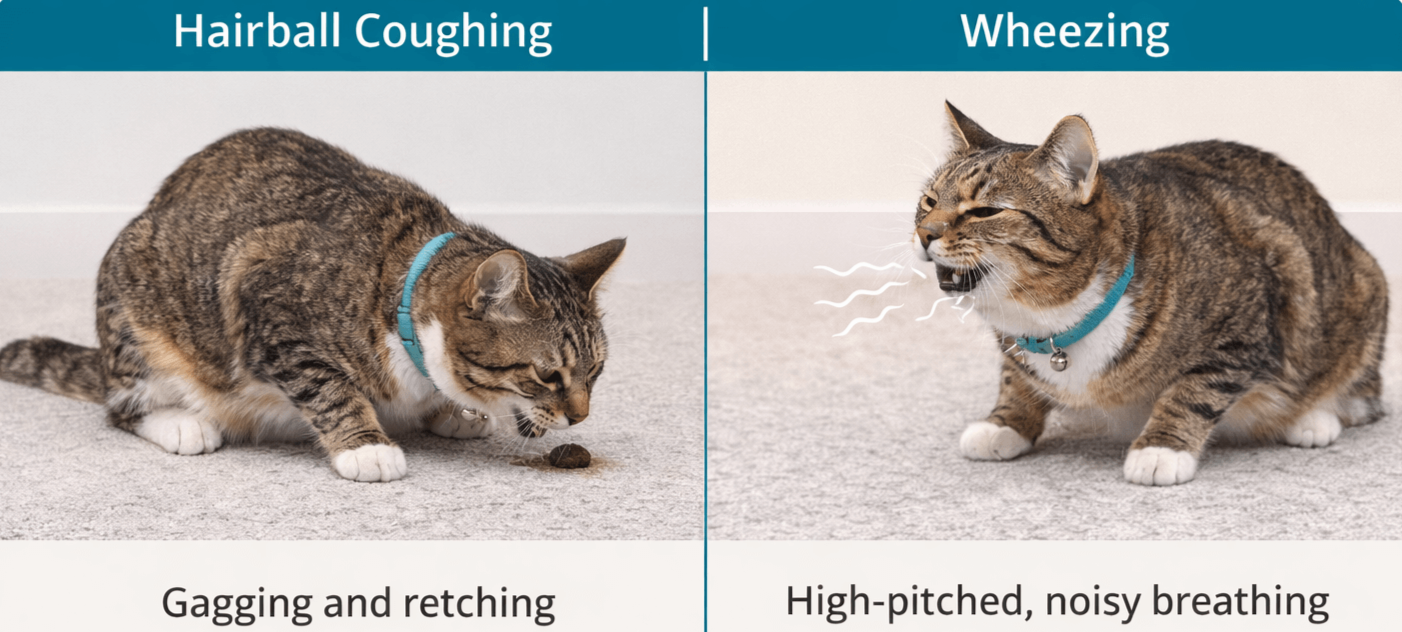
Hairball Coughing vs Wheezing in Cats
| Feature | Hairball Coughing | Wheezing |
|---|---|---|
| Sound | Deep, hacking or gagging cough | High-pitched whistling or squeaking sound |
| Breathing pattern | Coughing occurs in short bursts and breathing returns to normal afterward | Noisy breathing may continue between episodes and can worsen with activity |
| When it happens | Usually during coughing episodes when trying to expel a hairball | Often heard during normal breathing, especially when exhaling |
| Duration | Usually lasts seconds to a minute and may end with a hairball | May persist for minutes or recur over hours or days |
| Common cause | Swallowed fur accumulating in the stomach | Narrowed airways caused by asthma, inflammation, infection, or allergies |
| Other symptoms | Gagging, retching, occasional vomiting of fur | Noisy breathing, rapid breathing, coughing, or difficulty breathing |
| When to call the vet | Hairballs occurring very frequently or without producing hair | Any persistent wheezing, especially with breathing changes |
Common Causes of Wheezing in Cats
If you’re asking yourself, “Why is my cat wheezing?” several underlying conditions could be responsible.
According to the Merck Veterinary Manual, feline respiratory disease typically originates from problems affecting the upper airways, the cat’s lungs, or the chest cavity.
Each of these areas can create different breathing patterns, including wheezing, coughing, or rapid breathing.
The most common causes include:
• Feline asthma: chronic inflammation that narrows the airways
• Upper respiratory infections: viral or bacterial infections causing swelling and mucus
• Allergies: reactions to pollen, dust, smoke, or environmental irritants
• Heartworm disease: parasites damaging lung tissue
• Bronchitis: inflammation of the bronchial tubes
In cats, asthma, allergic airway disease, and chronic bronchitis are often part of the same inflammatory airway syndrome. All three conditions involve inflammation in the bronchial tubes, but asthma typically causes airway tightening (bronchospasm), while chronic bronchitis involves long-term airway irritation and mucus buildup. Because these conditions overlap so much, veterinarians often group them under the broader term feline inflammatory airway disease.
Less common, more serious conditions may occur, such as:
• Heart failure
• Tumors affecting the chest cavity
• Pleural effusion (fluid buildup around the lungs)
Distinguishing between these causes requires professional evaluation, since treatments vary significantly depending on the underlying condition.
Asthma in Cats: Symptoms and Management
Feline asthma is one of the most common chronic respiratory diseases in cats.
According to the Cornell Feline Health Center, it affects approximately 1–5% of the cat population.
This inflammatory condition causes the bronchi, the tubes carrying air to the lungs, to become narrowed and inflamed, often producing excess mucus.
The result is wheezing, coughing, and difficulty breathing.
Recognizing Asthma Symptoms
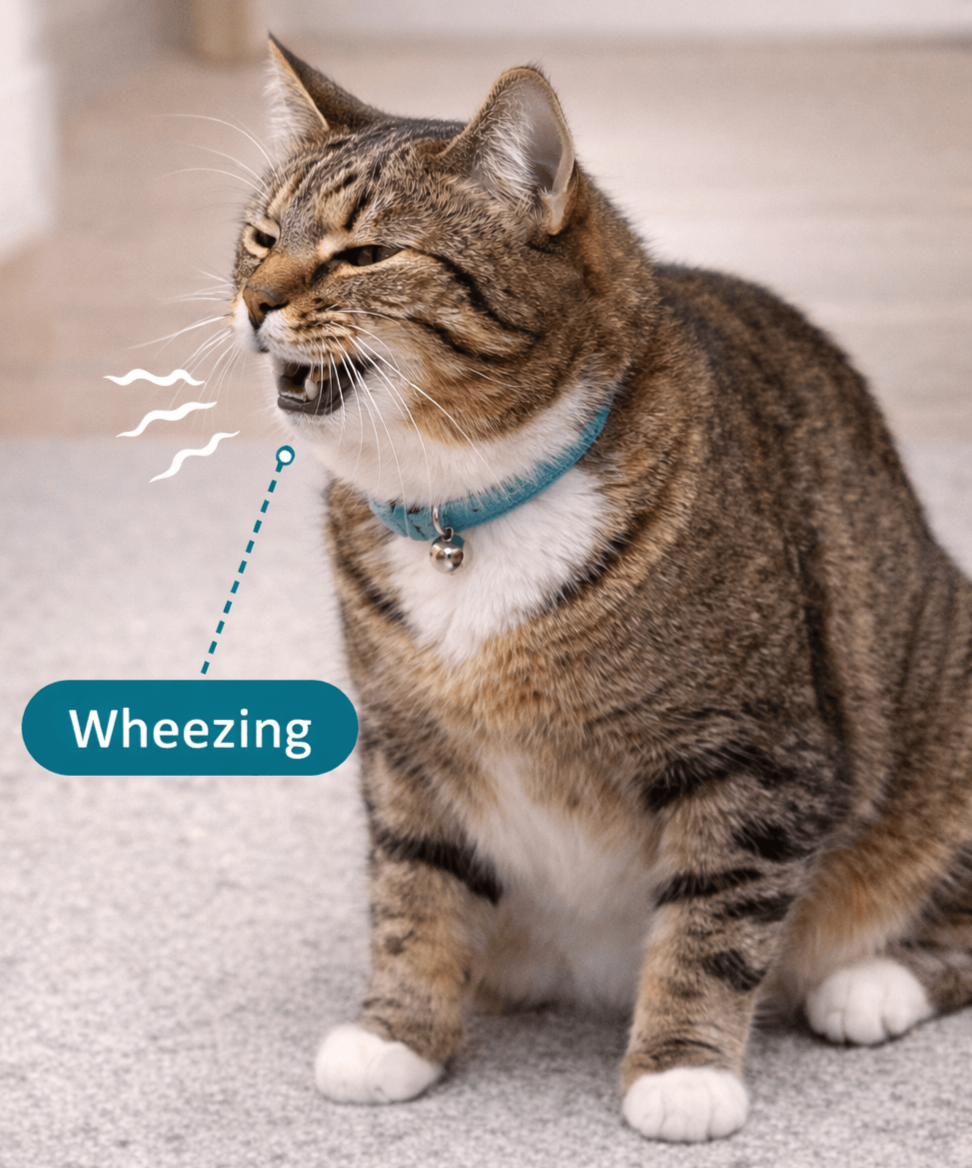
Classic signs of feline asthma include:
• Wheezing or noisy breathing
• Repeated cat coughing episodes
• Rapid breathing at rest
• A hunched posture during breathing episodes
• Open-mouth breathing during severe asthma attacks
Many owners describe the coughing as looking like their cat is trying to cough up a hairball.
Asthma attacks may vary widely in severity. Some cats experience occasional mild wheezing, while others develop serious respiratory distress.
Managing Feline Asthma
Treatment typically involves medications that reduce airway inflammation and open the airways.
Common treatments include:
• Bronchodilators to relax airway muscles
• Corticosteroids to reduce inflammation
• Inhaled medications delivered through feline aerosol chambers such as this one.
Environmental management also plays an important role.
Helpful strategies include:
• Reducing household dust and airborne irritants
• Avoiding cigarette smoke or scented sprays
• Using low-dust litter
Although asthma cannot be cured, most cats live comfortable lives with proper management and early treatment.
Because feline asthma symptoms can vary day to day, many veterinarians recommend tracking breathing patterns and flare-ups at home.
Recording your cat’s resting breathing rate, wheezing episodes, and possible triggers can help identify patterns that may otherwise be missed.
To make this easier, I created a free Feline Asthma & Wheezing Tracker that you can print and bring to your next veterinary visit.
Respiratory Infections: Signs and Treatments
Respiratory infections are another common cause of wheezing in cats, particularly in:
• Young cats
• Unvaccinated cats
• Cats living in multi-cat environments
According to NIH research, upper respiratory infections are among the most common feline illnesses.
Common infectious causes include:
• Feline herpesvirus
• Feline calicivirus
• Bacterial infections such as Bordetella bronchiseptica
These infections cause inflammation in the nasal passages and upper airways, which can narrow breathing pathways and produce wheezing.
Affected cats may also develop:
• Runny nose or nasal discharge
• Sneezing
• Watery eyes
• Fever
• Reduced appetite
According to Cornell University College of Veterinary Medicine, infections affecting the lower respiratory tract can lead to more severe breathing problems.
Treatment for Respiratory Infections
Treatment depends on the underlying cause.
Common approaches include:
• Supportive care for viral infections
• Antibiotics for bacterial infections
• Hydration and nutritional support
• Monitoring for complications such as pneumonia
Because infections can progress quickly in cats, prompt veterinary evaluation is recommended.
Allergies in Cats: Identifying and Managing Triggers
Allergic airway disease can also trigger wheezing and breathing difficulty in cats.
Environmental allergens can cause inflammation and airway constriction, producing symptoms similar to asthma.
According to the Merck Veterinary Manual, common triggers include:
• Dust mites
• Pollen or seasonal allergens
• Mold spores
• Household cleaning chemicals
• Air fresheners and perfumes
• Cigarette smoke
You may notice patterns in your cat’s breathing symptoms:
• Wheezing increases during spring or fall allergy seasons
• Symptoms worsen after cleaning or vacuuming
• Episodes occur around scented products
Respiratory allergies in cats is very different than the allergic skin disease in dogs, which often presents with symptoms like itching, ear infections, and paw licking. Allergic diseases in pets can affect multiple body systems. While some pets develop respiratory symptoms, others develop skin irritation or chronic itching.
Managing Allergic Wheezing
Environmental changes can significantly reduce symptoms.
Helpful strategies include:
• Switching to unscented, low-dust litter
• Using HEPA air purifiers
• Avoiding aerosol sprays or strong fragrances
However, allergies and asthma often overlap. If symptoms persist beyond 2–3 weeks, veterinary evaluation is recommended.
Case Study: A Cat’s Journey Through Diagnosis
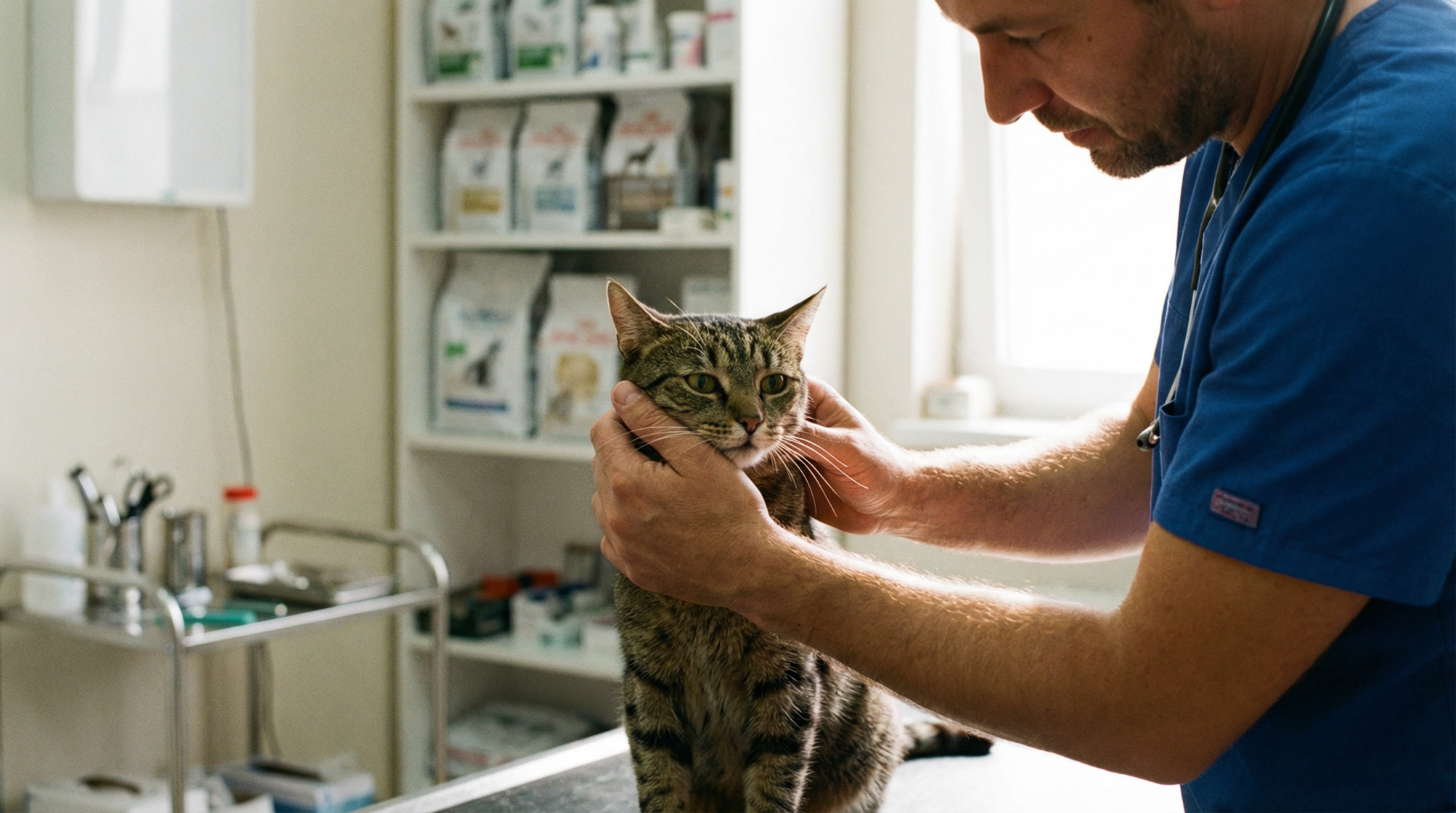
Consider the example of Luna, a four-year-old domestic shorthair cat.
Her owner noticed intermittent wheezing, especially at night. At first, the sounds seemed like normal snoring, but concern grew when Luna began breathing with her mouth open during episodes.
During the veterinary exam, several concerning signs were noted:
• Increased respiratory effort
• Mild abdominal breathing
• Intermittent coughing
A chest radiograph revealed a classic bronchial pattern, strongly suggesting feline asthma.
However, the veterinarian still needed to rule out other causes, including:
• Respiratory infections
• Parasitic disease
• Allergic airway disease
One important factor in Luna’s case was timing.
Her owner waited three weeks before seeking veterinary care, allowing inflammation to progress.
With proper treatment, including bronchodilators and inhaled corticosteroids, Luna’s breathing improved within 48 hours.
This example highlights why persistent wheezing should never be ignored, even if your cat appears otherwise healthy.
When to See a Veterinarian: Warning Signs
Not all wheezing episodes require emergency care. However, certain signs indicate serious respiratory compromise.
Seek emergency veterinary care immediately if your cat shows:
• Open-mouth breathing
• Blue or pale gums
• Collapse
• Extreme lethargy
• Severe difficulty breathing
Less urgent — but still concerning — signs include:
• Wheezing that persists longer than 24 hours
• Episodes occurring multiple times per week
• Weight loss or decreased appetite
One helpful tool is monitoring your cat’s resting breathing rate.
Healthy cats typically breathe:
20–30 breaths per minute while sleeping
Consistently elevated breathing rates may indicate underlying respiratory disease and should be evaluated by a veterinarian.
Limitations in Diagnosing Wheezing
Diagnosing the exact cause of wheezing in cats can sometimes be challenging.
Cats often experience stress during veterinary visits, which can temporarily change their breathing patterns.
Additionally:
• Some chest radiographs appear normal even in cats with airway inflammation
• Advanced tests such as bronchoscopy require anesthesia
• Seasonal allergens may cause symptoms that disappear before testing
Because of these limitations, veterinarians often combine:
• Physical examination
• Diagnostic imaging
• Blood tests
• Response to treatment
This approach helps guide an accurate diagnosis and effective treatment plan.
How Veterinarians Diagnose Wheezing in Cats
As a general practice veterinarian, wheezing is one of the more common breathing concerns I evaluate in cats, and identifying the underlying cause early can make a big difference in treatment success. When a cat develops persistent wheezing, I will usually begin with a physical examination and a detailed medical history. Listening to your cat’s chest can help identify abnormal breathing sounds, but additional diagnostic tests are often needed to determine the underlying cause and decide the best treatment going forward.
Common diagnostic tests may include:
• Chest radiographs (X-rays) to evaluate the cat’s lungs, airways, and heart size
• Blood tests to screen for infection, inflammation, or other systemic disease
• Cardiac screening tests such as proBNP, which helps determine whether heart disease could be contributing to breathing problems
• PCR testing for respiratory pathogens such as feline herpesvirus, calicivirus, or bacterial infections
• Testing for heartworm disease or fungal infections in regions where these diseases occur
• Evaluation of the upper airways and nasal passages for structural abnormalities or obstruction
In some cases, veterinarians may recommend more advanced procedures such as bronchoscopy or airway sampling. These tests allow direct visualization of the airways and help identify inflammatory cells, infectious organisms, or other abnormalities affecting the respiratory tract.
Together, these diagnostics help your veterinarian reach a more accurate diagnosis and develop a targeted treatment plan for your cat’s breathing condition.
Track Your Cat's Breathing Between Vet Visits
Cats with asthma or airway inflammation often have good days and bad days, which can make symptoms difficult to describe during a veterinary visit.
Tracking changes at home can help identify patterns in:
• breathing rate
• wheezing or coughing episodes
• environmental triggers
• medication response
To make this easier, I created afree printable Feline Wheezing & Asthma Tracker you can use to monitor symptoms and bring to your next veterinary appointment.
Key Takeaways
Wheezing in cats is never normal breathing. It usually indicates narrowed airways or respiratory disease.
The most common causes include:
• Feline asthma
• Respiratory infections
• Allergies
• Foreign bodies or airway irritation
Less commonly, serious diseases such as heart failure or pleural effusion may be involved.
Contact your veterinarian if wheezing:
• Occurs frequently
• Appears suddenly
• Accompanies other symptoms like lethargy or coughing
Early evaluation typically leads to better outcomes and more effective treatment.
FAQ about Wheezing in Cats
-
Not always, but wheezing should never be ignored. Mild episodes may occur with conditions like feline asthma or allergies, but emergency veterinary care is needed if your cat shows open-mouth breathing, blue gums, collapse, or severe difficulty breathing.
-
Some cats with asthma or airway inflammation appear normal between flare-ups. However, wheezing still indicates narrowed airways and should be evaluated by a veterinarian to determine the underlying cause.
-
Cats with asthma often produce a high-pitched wheezing sound when breathing, especially during exhaling. Episodes may also include coughing fits that resemble attempts to cough up a hairball.
-
When your cat is sleeping or relaxed:
Watch the chest rise and fall
Count breaths for 30 seconds
Multiply by two
A normal resting breathing rate is 20–30 breaths per minute.
Rates consistently above 40 breaths per minute should be evaluated by a veterinarian.
-
Yes. Environmental allergens such as dust, pollen, smoke, or strong fragrances can trigger airway inflammation in sensitive cats and may contribute to asthma flare-ups. If you are ever in doubt, do not hesitate to reach out to your veterinarian for a specific diagnosis.
Medical Disclaimer:
The information on this website is for educational purposes only and is not veterinary medical advice. Always consult your veterinarian for questions about your pet’s individual health needs.