Many dog owners notice their dog’s ears feel warm, and sometimes very warm, and immediately worry something is wrong. This is a common problem, and in some cases, it’s completely normal. In others, hot ears can be a sign of an ear infection or underlying medical condition that deserves attention.
Understanding why dogs’ ears feel hot and when it matters can help you make the best decisions for your dog’s health.
First!
Dogs Naturally Feel Warmer Than We Do
One important thing to know is that dogs have a higher normal body temperature than humans.
Dog’s normal body temperature: ~101–102.5°F (38.3–39.2°C)
Human normal temperature: ~98.6°F (37°C)
Because dogs already run warmer, their ears, which have thin skin and many surface blood vessels, often feel hot to the touch, especially compared to our hands. This is particularly noticeable in a puppy’s ears or dogs with floppy ears.
On hot days, after physical activity, or during hot weather, warm ears are often part of normal temperature regulation in healthy dogs.
When Hot Ears Are More Than Normal
Warm ears become more concerning when they’re paired with other symptoms, such as:
Ear scratching or head shaking
Red ears or swollen ear flaps
Foul odor or bad odor
Head tilt or sensitivity around the dog’s head
Discharge you can see with the naked eye
Changes in behavior or signs of discomfort
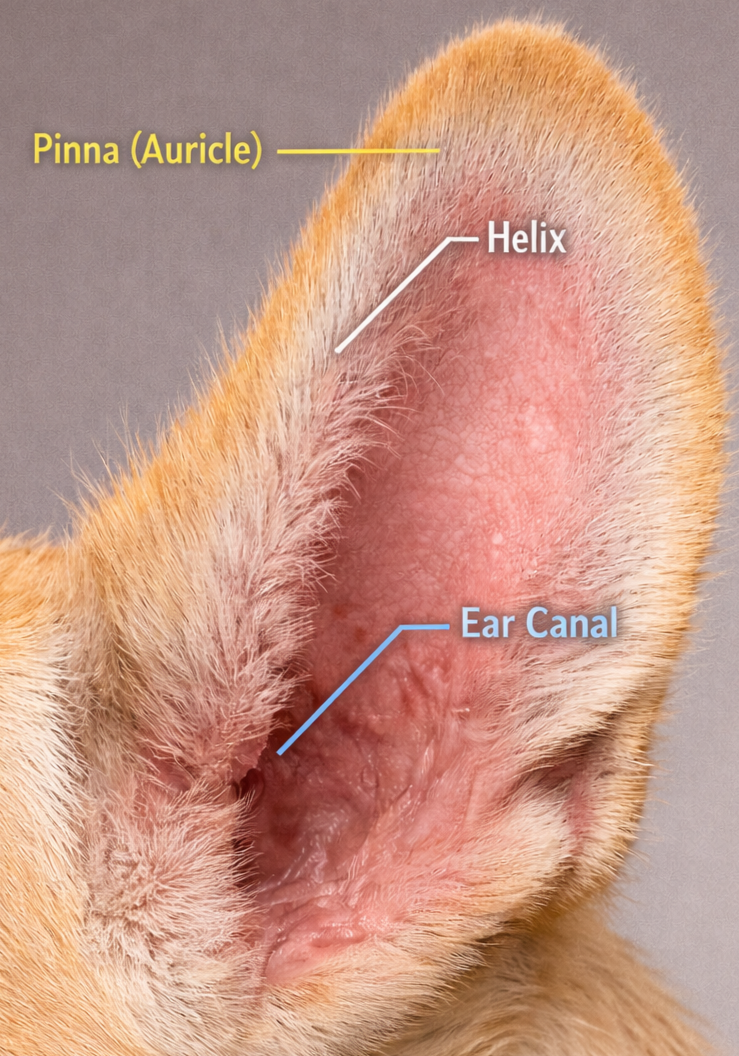
These signs suggest inflammation, infection, or irritation affecting the anatomy of a dog’s ear.
Main Reasons Dogs’ Ears Feel Hot
1. Dog Ear Infections (Otitis)
One of the most common causes of hot ears is ear infections, medically called otitis externa (outer ear infection). Inflammation increases blood flow, causing heat, redness, and pain.
Common types include:
Bacterial infection
Yeast infection
Mixed infections (both bacteria and yeast present)
Signs often include:
Red ears
Foul or bad odor
Ear scratching
Pain when touched
Moist discharge
In severe cases, infections can spread deeper into the middle ear (otitis media) or even the inner ear infection, causing balance issues or a head tilt.
2. Allergies (Very Common)
Allergies are one of the main reasons dogs develop recurring ear issues.
A pet’s allergies may cause:
Recurrent dog ear infections
Red, inflamed ears
Chronic ear disease
Skin issues elsewhere on the dog’s body
Dogs with allergies may lick more than just their paws! Their ears, belly, or rear may also be affected. For more on common allergy behaviors like constant paw licking and what they mean, see Why Dogs Lick Their Paws: Common Causes and When You Should Worry
Triggers may include:
Environmental allergens (pollens, grasses, molds, dust mites)
Food allergy
Close contact with allergens over time
Inflammation from allergies affects the immune system, making infections more likely and recurrent.
✨ A helpful vet tip: Want to track patterns between flare-ups? Download my free Itch Tracker (it’s the easiest way to spot triggers like seasons, swimming, diet changes, and grooming). And if you want a digital version with photo logs + trend tracking, join the HotSpotter app waitlist here to be the first to know when it launches.
3. Ear Mites and Parasites
An ear mite infestation can cause intense irritation, especially in puppies or dogs with close contact with other animals.
Signs include:
Severe itching
Dark discharge (Some yeast infections can also cause dark debris which is why checking the debris under the microscope is so important)
Red ears
Insect bites or a bug bite near the ear flap can also cause localized warmth and swelling.
4. Ear Shape, Moisture & Breed Risk
Dogs with extra floppy ears or with curly hair (think Cocker Spaniels, Doodles, and Basset Hounds!) are at higher risk for ear problems because their ears trap moisture and reduce airflow.
This creates an ideal environment for:
Yeast infections
Bacterial growth
Chronic inflammation
This is why routine ear cleaning (when appropriate) and monitoring are so important for these breeds.
5. Trauma or Ear Hematoma
Excessive head shaking or scratching can rupture blood vessels, leading to an ear hematoma. This is a painful, swollen ear flap that often feels hot, sometimes called “pillow ear”.

This requires medical treatment, not home care.
Do Hot Ears Mean Fever or Emergency?
Hot ears alone do not reliably indicate fever. However, seek emergency vet care if hot ears occur alongside:
Lethargy or collapse
Vomiting or diarrhea
Very high temperature (> 103°F)
Severe pain
Neurologic signs
Rare systemic illnesses (such as parvovirus infection in puppies) can cause fever and ear warmth, but ear heat alone is not diagnostic for any specific disease.
What Veterinarians Look For
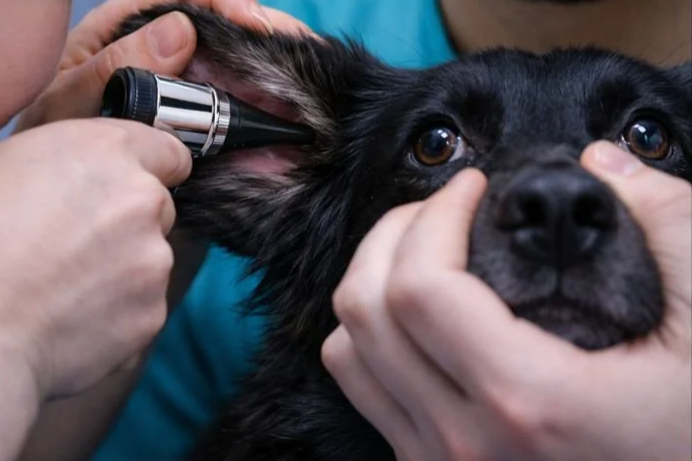
A veterinarian focuses on accurate diagnosis of your pet, not just symptoms.
This may include:
Examining the outer ear and visible ear canal
Checking for other signs of skin disease (paw licking, tail chewing, etc)
Ear cytology (looking at the debris present under the microscope to check for bacteria or yeast)
Blood tests (if systemic disease is suspected)
Evaluating the underlying cause (Spoiler Alert! It’s often allergies)
Treatment may involve:
Ear medications
Anti-inflammatory medications
Targeted antimicrobial therapy
Long-term allergy management
In severe or end-stage disease, advanced procedures like total ear canal ablation may be discussed, but this is uncommon and reserved for chronic, severe cases.
What You Can Safely Do at Home
Gently wipe the outer ear with a damp cloth if advised
Avoid inserting anything into the ear canal
Do not use cool water, previous ear medications, or ear cleaning solutions unless directed previously by a veterinarian
Some medications can actually cause permanent deafness or worsen signs. This is why it is vital that an ear exam be performed by a veterinarian to confirm the ear drum (tympanic membrane) is still intact and safe before applying anything.
Monitor for worsening signs
When in doubt, getting medical advice is always the best way forward. These can be less straightforward than they seem.
💛 One last helpful note:
Hot ears are a common problem and often normal, but when paired with pain, odor, or behavior changes, they may signal infection or allergy-related disease. Early evaluation leads to effective treatments, better comfort, and the best possible outcome for your furry friend.
Ear issues rarely happen in isolation. They often connect to allergies, seasons, swimming, diet changes, or grooming routines. Those patterns are easy to miss in the moment.
If your dog has had hot ears, itching, or repeat infections, you can:
📥 Download my free Itch Tracker to start spotting patterns early
📱 Join the HotSpotter app waitlist if you want digital tracking, photo logs, and trend insights designed specifically for itchy pets
Your future self (and your vet) will thank you for tracking this early. If you ever feel unsure, it’s always okay to call your veterinarian. Paying attention early is one of the best ways dog owners can protect their dog’s health.

You’ve got this, and I’m here to help every step of the way. 🐾
💛 Dr. Fran, DVM, CPEV — veterinarian and founder of Kind Vet Wellness.
Learn more about Dr. Fran → Click Here
Medical Disclaimer:
The content on this website is intended for educational purposes only and does not replace professional veterinary medical advice, diagnosis, or treatment. Always consult your veterinarian regarding your pet’s individual health concerns.