If your furry friend has ongoing itching, chronic ear infections, paw licking, hot spots, or other skin problems, your regular veterinarian may recommend a dermatology service or allergy clinic visit. Preparing ahead of time can make your dog’s first appointment far more effective.
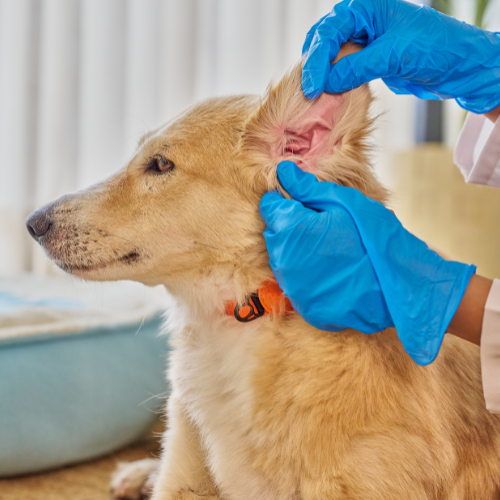
This guide helps pet owners prepare for a skin allergy veterinary appointment so your dermatology team can focus on the root cause of your pet’s discomfort, not guesswork.
What Is Veterinary Dermatology?
Veterinary dermatology focuses on dermatological problems affecting your pet’s skin, ears, coat, and nails. These conditions may include:
Environmental allergies (such as dust mites or pollen)
Food allergies or food allergy reactions
Skin infections and ear disease
Ear mites or chronic ear issues
Autoimmune diseases affecting the skin
Hot spots, hair loss, and skin lesions
Because many skin problems develop slowly and overlap with internal medicine conditions, dermatology appointments are typically more detailed than routine visits with your family veterinarian or primary veterinarians.
In some cases, your veterinarian may recommend a referral to a board-certified veterinary dermatologist. You can find specialists through the American College of Veterinary Dermatology (ACVD) directory.
Track Your Dog’s Skin and Allergy History

Before your appointment, tracking your pet’s skin symptoms is one of the most valuable things pet owners can do.
Try to document:
When symptoms first started
Whether signs are seasonal or year-round (environmental allergens vs food allergy)
Areas affected (ears, paws, belly, face, tail base)
Ear conditions or recurring ear issues
Flare patterns (sudden vs gradual)
Any effective treatment or anything that worsens your pet’s discomfort
This history helps your veterinarian determine the cause of your pet’s skin disorder and avoid overlooking a serious problem that impacts their quality of life.
👉 Tip: A written log is often easiest to review during an appointment. You can use the Kind Vet’s free Printable Dog Allergy Tracker.
List Past Treatments and Medical History
Bring a list of all treatments your pet has tried, including:
Allergy medications or injections
Ear drops for any ear conditions
Antibiotics or antifungals for a skin infection
Diet trials for food allergies
Shampoos, wipes, or supplements
Any recent internal medicine treatments
This allows the dermatology team to avoid repeating ineffective options and move toward a custom treatment plan that provides the best possible care.
What Happens at a Dog Dermatology Appointment?
A dermatology appointment focuses on process, not instant fixes. Depending on your pet’s symptoms, your veterinarian may recommend:
Skin or ear cytology to check for specific bacteria or yeast
Blood tests to rule out underlying causes of skin problems such as metabolic disorders like hypothyroidism or Cushing’s disease
Allergy testing for environmental allergies
Skin biopsies for complex skin disorders
Treatment of current skin inflammation or infections
Your regular veterinarian may remain involved throughout the process, working closely with dermatology specialists to support long-term management.
Avoid Bathing Before the Visit
Unless instructed otherwise, avoid bathing your dog for several days before the appointment. Bathing can temporarily reduce redness, discharge, or odor. These are signs that help your veterinarian diagnose dermatological problems accurately.
Ongoing Tracking Improves Outcomes
Skin disease and pet’s allergies fluctuate over time. Ongoing tracking between visits helps veterinarians evaluate response to treatment and adjust plans as needed.
If you prefer digital tracking, you can join the HotSpotter waitlist. It helps pet owners document patterns that support better long-term care decisions for new patients and chronic cases alike.
Final Thought
Preparing for a dog dermatology appointment helps your veterinary team focus on trends, not snapshots. The clearer your records, the easier it is to identify the root cause of your pet’s skin and create a treatment plan that protects comfort, health, and quality of life.

Written by Dr. Fran Bergkoetter, DVM
Practicing small-animal veterinarian with a focus on pet skin, allergy, and chronic disease management.
Co-Creator of KindVetWellness & HotSpotter