If your dog has itchy, dirty, or smelly ears, you may have heard that hydrogen peroxide can help clean them. It’s a common home remedy, but it’s also one that makes veterinarians like me pause.
So is it safe to clean dog ears with hydrogen peroxide?
In most cases, unfortunately no and here’s why.
Can You Clean a Dog’s Ears With Hydrogen Peroxide?
Hydrogen peroxide is not recommended for routine ear cleaning in dogs.
While it can kill some bacteria and loosen debris, it is also irritating to delicate ear tissue, especially inside the ear canal. In dogs with inflammation, infection, or a ruptured eardrum, hydrogen peroxide can worsen pain and delay healing.
There are a few rare, veterinarian-guided situations where peroxide may be used briefly, but it should never be a first-line at-home ear cleaner.
Why Hydrogen Peroxide Can Be a Problem in Dog Ears
A dog’s ear canal is deeper and more sensitive than it looks from the outside. Hydrogen peroxide can cause issues because it:
Irritates inflamed skin
Can trap moisture inside the ear canal
May worsen infections
Can be painful, especially if sores are present
Foams, which can push debris deeper rather than removing it
If your dog already has an ear infection, peroxide may make symptoms appear temporarily better, while the underlying problem continues to worsen.
What About Using Peroxide for Ear Infections?
Hydrogen peroxide does not treat ear infections in dogs.
Most ear infections are caused by:
Yeast infections
Bacterial infections
Allergies
Moisture buildup
Underlying skin disease
These conditions require targeted treatment, which is often prescription medications. Using peroxide instead can delay proper care and prolong discomfort, sometimes turning a mild problem into a painful and chronic one.
Is Hydrogen Peroxide Ever Okay for Dog Ears?
In limited, veterinarian-guided situations, hydrogen peroxide may be used:
To clean only the outer ear flap
To remove dried blood or discharge after injury
For very brief use, followed by thorough drying
It should never be used:
Deep in the ear canal
Repeatedly or as part of regular ear cleaning
If your dog is shaking their head or crying
If there’s redness, swelling, odor, or discharge
If you’re unsure whether the ear drum is intact, do not use peroxide.
Why Cotton Swabs + Peroxide Are a Bad Combo
Using cotton-tipped applicators with hydrogen peroxide increases the risk of:
Pushing debris deeper into the ear canal (same as in humans!)
Causing trauma (especially if we are unsure about ear drum health)
Missing an underlying infection
Making inflammation worse
If you clean your dog’s ears, use:
A clean cotton ball or soft gauze
A veterinarian-approved ear cleaning solution
Gentle wiping only, no probing
How Dogs’ Ears Are Structured (And Why That Matters)
A dog’s ear is more complex than a human ear, which is why home remedies can be risky.
Dogs have:
An inner part of the ear flap
A vertical canal that turns into a horizontal part of the ear canal
A delicate ear drum deep inside the ear
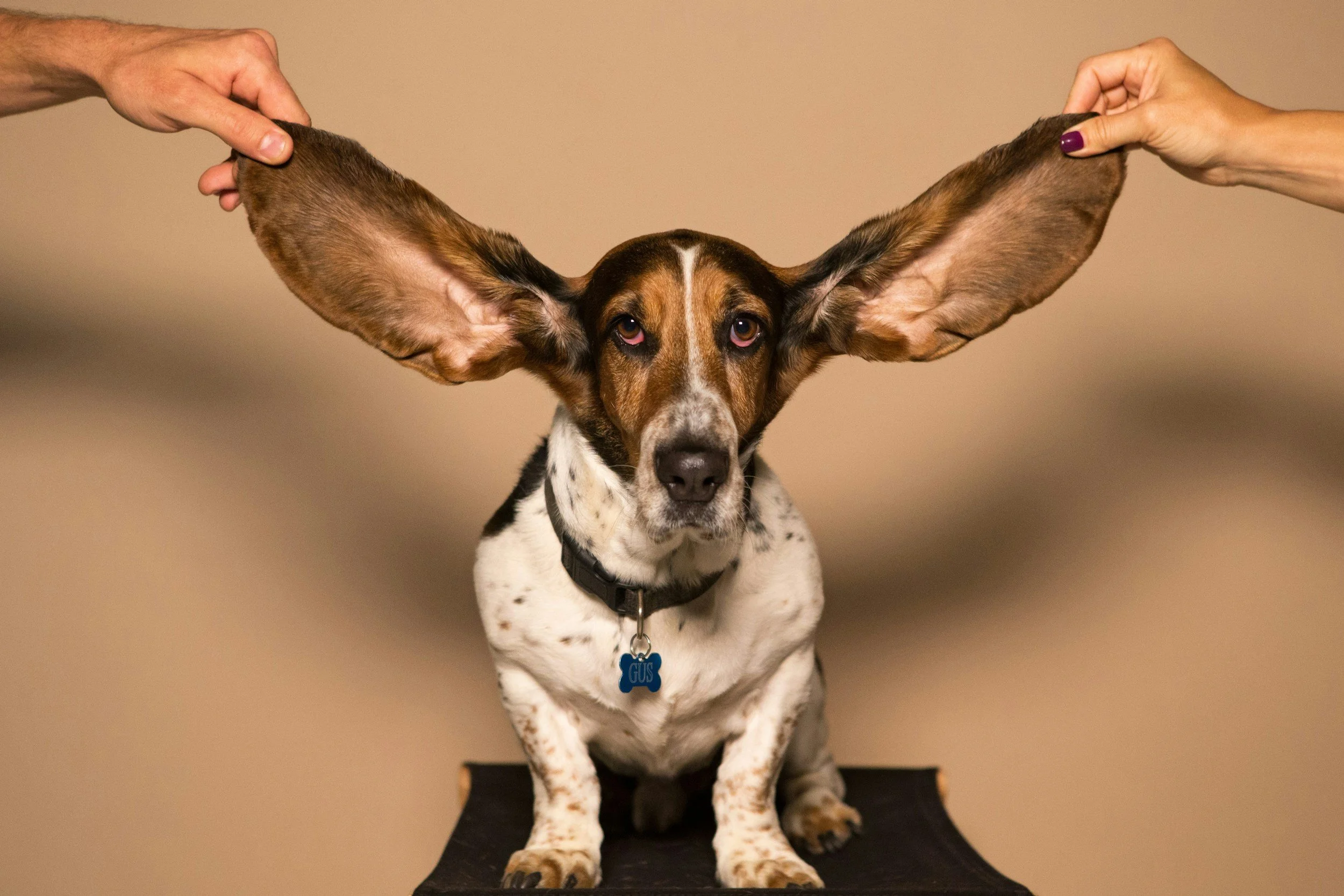
Because of this shape, liquid can easily become trapped. This is especially true in dogs with floppy ears, like Cocker Spaniels and Basset Hounds. Moisture that doesn’t dry properly creates an environment where bacterial infections and yeast infections thrive.
This is one reason frequent or improper cleaning can actually make ear problems worse.
Why Hydrogen Peroxide Irritates Sensitive Ear Tissue
Hydrogen peroxide works by releasing oxygen bubbles. While this can loosen debris, it also disrupts healthy skin cells and irritates sensitive tissue inside the ear canal.
In dogs with:
Dirty ears
Inflamed skin
Painful ear infections
…peroxide can cause stinging, increased redness, and swelling, especially if it reaches the inner ear or the ear opening.
This irritation may cause dogs to shake their head more, rub the base of the ear, or scratch persistently. All of this furthers the inflammation and trauma to an already inflamed area.
Hydrogen Peroxide vs. Other Home Remedies
Some pet parents also ask about isopropyl alcohol or apple cider vinegar. These can be even more irritating than hydrogen peroxide, especially when used inside the ear canal.
Isopropyl alcohol dries tissue aggressively and can worsen inflammation
Products meant for human ears or your own ears are not appropriate for dogs
If cleaning is needed, veterinarians recommend a gentle ear cleaning solution designed specifically for dogs.
How to Clean a Dog’s Ears Safely (If Cleaning Is Needed)
For dogs with normal ears and no signs of infection, safe ear cleaning involves:
Using a clean cotton ball or soft gauze
Applying a generous amount of the recommended cleaning solution
Gently wiping the inner part of the ear flap
Avoiding the tip of the bottle touching the ear. If there is infection present, you could inadvertently spread it by it getting on the bottle.
Letting your dog shake their head afterward
Avoid:
Cotton-tipped applicators pushed into the canal
Probing near the ear opening
Cleaning too frequently
Regular ear cleaning should only be done when recommended by your veterinarian.
Why Frequent Cleanings Can Backfire
Many well-meaning owners clean ears too often, especially when dealing with recurring issues.
Frequent cleanings can:
Strip protective oils
Delay healing
Increase inflammation
Mask early signs of infection
Healthy ears are not odorless or perfectly clean so a small amount of wax is normal and protective.
Signs Your Dog Needs a Vet — Not Home Cleaning
Skip home remedies and see a veterinarian if your dog has:
Head shaking
Scratching at the ears
Redness or swelling
Bad odor
Brown, yellow, or bloody discharge
Sensitivity or pain to touch
If your dog is frequently scratching and shaking their ears, it’s often a sign of an underlying issue that needs more than cleaning alone. Learn more about what these symptoms can mean and how to correct them HERE.
Why Tracking Ear Symptoms Matters
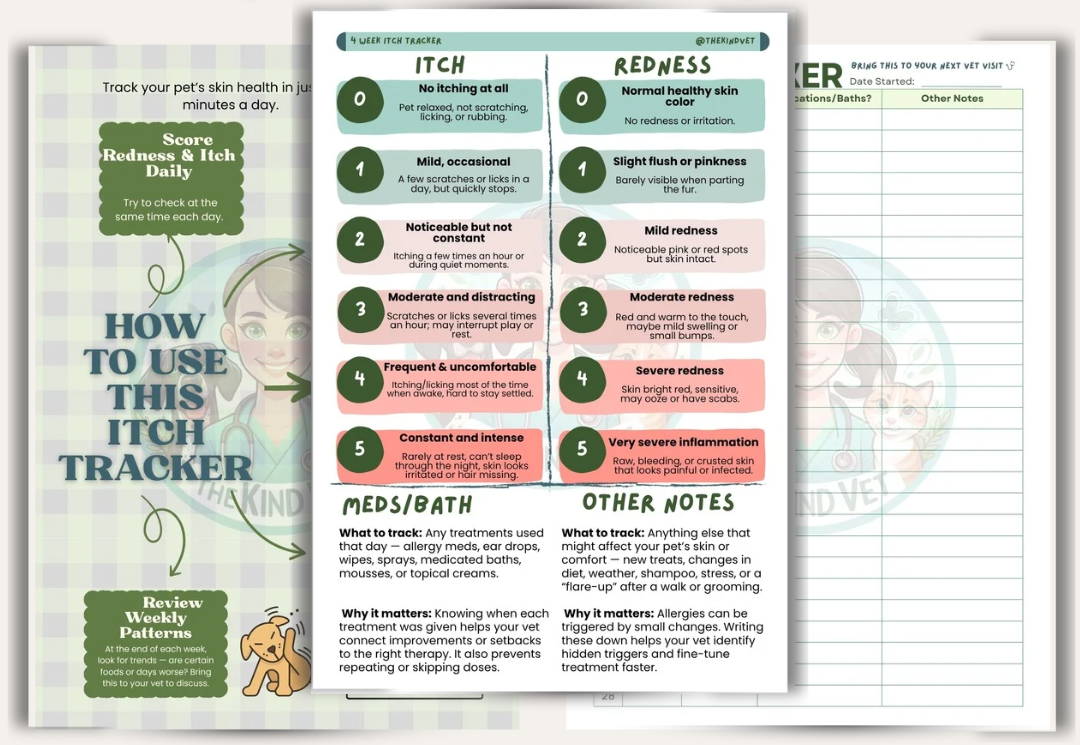
If your dog struggles with recurring ear or skin issues, tracking symptoms can make vet visits more productive. You can download the free itch tracker here.
Many dogs with ear problems have underlying allergies. Tracking:
When symptoms start
Which ear is affected (right ear vs left ear)
Environmental changes
Paw licking or skin flares
…can help your vet identify patterns and prevent repeat infections.
👉 This is why I encourage tracking symptoms over time rather than guessing.
For pet parents who want a more structured way to track patterns, I’m currently building a digital allergy tracking tool designed by a veterinarian to make this process easier.
Frequently Asked Questions About Cleaning Dog Ears With Peroxide
-
In most cases, no. Even visibly dirty ears can have underlying inflammation. Hydrogen peroxide may irritate sensitive tissue and worsen discomfort.
-
No. Ear mites require specific veterinary treatment. Hydrogen peroxide does not eliminate mites and may increase irritation.
-
Painful ear infections should not be treated at home. Using peroxide can increase pain and delay proper treatment.
-
Cotton-tipped applicators can push debris deeper into the ear canal and risk injury to the ear drum. Use a cotton ball instead.
-
It may be used very sparingly on the outer ear flap if directed by a veterinarian, but should never be poured into the ear canal.
-
There is no universal schedule. Some dogs never need routine cleaning, while others require it based on allergies, anatomy, or swimming habits. The best option is to find a safe vet-approved cleaner and adjust your cleaning schedule based on the recommendations of your vet. Most chronic ears will need around weekly cleani
-
Using vet-recommended products, avoiding unnecessary cleanings, and addressing underlying causes like allergies provide the best long-term results.
Bottom Line: Should You Clean Dog Ears With Peroxide?
In most cases, no.
Hydrogen peroxide can irritate sensitive ear tissue and may worsen existing problems. Safer, vet-approved ear cleaners are a better choice — and persistent ear issues deserve a closer look.
If you’re unsure, it’s always okay to ask your veterinarian before trying a home remedy.
💛 One last helpful note:
Ear issues rarely happen in isolation. They often connect to allergies, seasons, swimming, diet changes, or grooming routines. Those patterns are easy to miss in the moment.
If your dog has had hot ears, dirty ears, itching, or repeat infections, you can:
📥 Download my free Itch Tracker to start spotting patterns early
📱 Join the HotSpotter app waitlist if you want digital tracking, photo logs, and trend insights designed specifically for itchy pets
Your future self (and your vet) will thank you for tracking this early. If you ever feel unsure, it’s always okay to call your veterinarian. Paying attention early is one of the best ways dog owners can protect their dog’s health.

You’ve got this, and I’m here to help every step of the way. 🐾
💛 Dr. Fran, DVM, CPEV — veterinarian and founder of Kind Vet Wellness.
Learn more about Dr. Fran → Click Here
Medical Disclaimer:
The content on this website is intended for educational purposes only and does not replace professional veterinary medical advice, diagnosis, or treatment. Always consult your veterinarian regarding your pet’s individual health concerns.